









In her seminal 2013 hit "Royals," Lorde captured a generation's sentiment about a different kind of luxury, one rooted in experience rather than inherited status: “And we'll never be royals... That kind of luxe just ain't for us. We crave a different kind of buzz.” Her lyrics resonated deeply, suggesting that true value lies outside the velvet ropes of aristocracy and inherited wealth.
Yet, we offer a powerful counter-sentiment: royal luxe is within our reach, just perhaps not in the traditional sense of lineage or aristocratic bloodlines. We believe status isn't given; it’s claimed. Many aspects of modern-day ‘street’ luxury, particularly iconic patterns, have surprisingly elevated origins. For us, argyle is the definitive pattern of street royalty—a visual emblem that bridges the gap between ancient heritage and modern, self-made cool.
It’s a pattern that has navigated centuries, moving seamlessly from the misty Scottish Highlands to exclusive golf courses to ivy-clad universities, then crashing into the urban landscapes of college campuses and hip-hop culture. Its journey isn't just a story of fashion; it's a testament to the pattern's enduring versatility and an inspiring narrative about how a simple textile can become a symbol of both establishment and rebellion.
From the Highlands to the Greens
The roots of the argyle pattern are tied to the fierce, proud Scottish Highlanders and their traditional tartan kilts and socks. The pattern, derived from the tartan of Clan Campbell of Argyll, began as a genuine expression of regional identity and heritage.
The original design was a specific variation of the Clan Campbell tartan, a grid pattern of crossing bands of color that represented loyalty and identity during times of war and social gatherings. Over time, the specific geometric diamond pattern with overlaid diagonal lines (what we now exclusively call argyle) evolved from the base tartan structure, primarily through knitting. The flexibility of knitwear allowed for a distinct, interlocking diamond style that differentiated it from traditional woven tartans.
It wasn't until the early 20th century that the pattern started its ascent from a familial rite to a visual cue of class. Pringle of Scotland began manufacturing the distinctive diamond-patterned knitwear, and its adoption by the Duke of Windsor—a widely followed fashion icon of the era—elevated the pattern to an affluent, elite status. Argyle became synonymous with the leisurely class, a staple on exclusive golf courses and country clubs. The association was cemented: argyle meant money, taste, and power.
Argyle Crosses the Pond: The American Ivy Connection
The Duke of Windsor’s influence quickly traveled across the Atlantic, where affluent Americans embraced his relaxed, yet sophisticated, style with enthusiasm. Retailers seized the opportunity.
Brooks Brothers played a pivotal role in bringing argyle to the American mainstream with the introduction of the argyle sock. It quickly became a cornerstone of the East Coast "preppy" wardrobe and the enduring American Ivy League aesthetic.
As a subtle indicator of a particular kind of educated sophistication, the pattern became a staple on college campuses from Yale to Harvard, symbolizing tradition, ambition, and belonging to the establishment. In subsequent decades, brands like Ralph Lauren and J. Crew embedded the pattern further into American style as the iconic look of "the aspirational class."
Argyle Hits The Streets: From Royalty to Rebellion
The modern chapter of the argyle story, and the central pillar of our "Street Royalty" moniker, is the pattern’s defiant adoption by street culture. Fashion designers democratized the pattern, taking it off the pristine golf courses and high-end runways, and dropping it squarely into urban culture, punk aesthetics, and hip-hop. Argyle’s visual ability to signal high status made it a perfect candidate for ‘everyman’ rebellion.
In the late 1990s and 2000s, hip-hop and rap artists cultivated luxury brands and patterns, injecting them with a unique street credibility. Rappers like André 3000, Wiz Khalifa, and Tyler the Creator (with his GOLF le FLEUR collections) proudly incorporated argyle into their looks.
Fashion historians noted that this represented a true "royalty to rebellion" item. Young people from urban centers gave this elite classic ‘every street’ sensibilities. Wearing a traditional argyle pattern while maintaining undeniable street credibility created a powerful, compelling tension—the very definition of street royalty.
The pattern and its adaptation cycle continues today. Luxury houses like Gucci and Miu Miu, alongside global streetwear brands like Supreme, continue to reinvent the pattern, anchoring on its classic nature while playing with scale, color, and texture to give it a thoroughly modern edge.
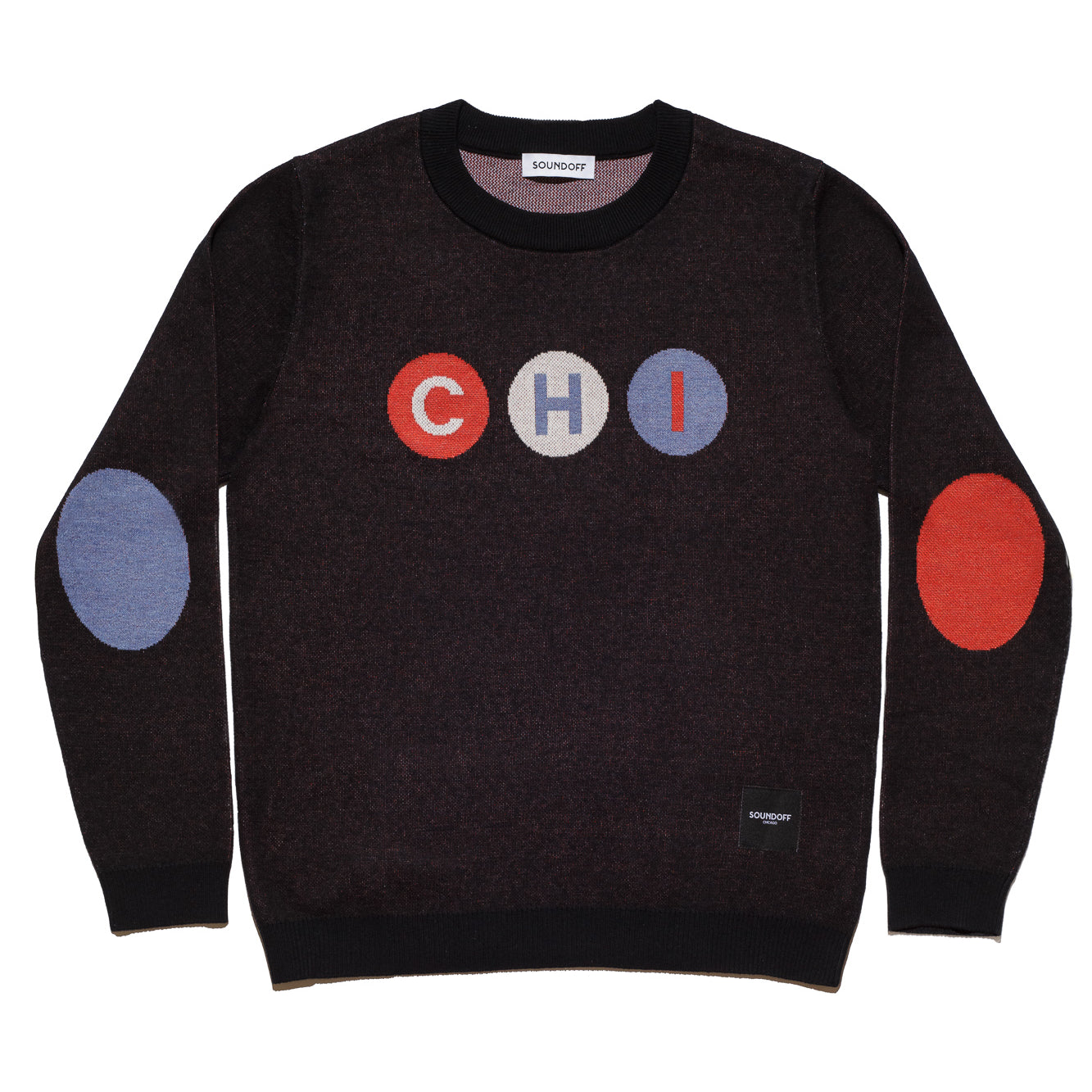
COLLEGIATE by SOUNDOFF & The Art of the Diamond
Argyle’s longevity is attributed to it being a canvas with wide adaptability. This versatility makes it an integral part of our own COLLEGIATE design focus.
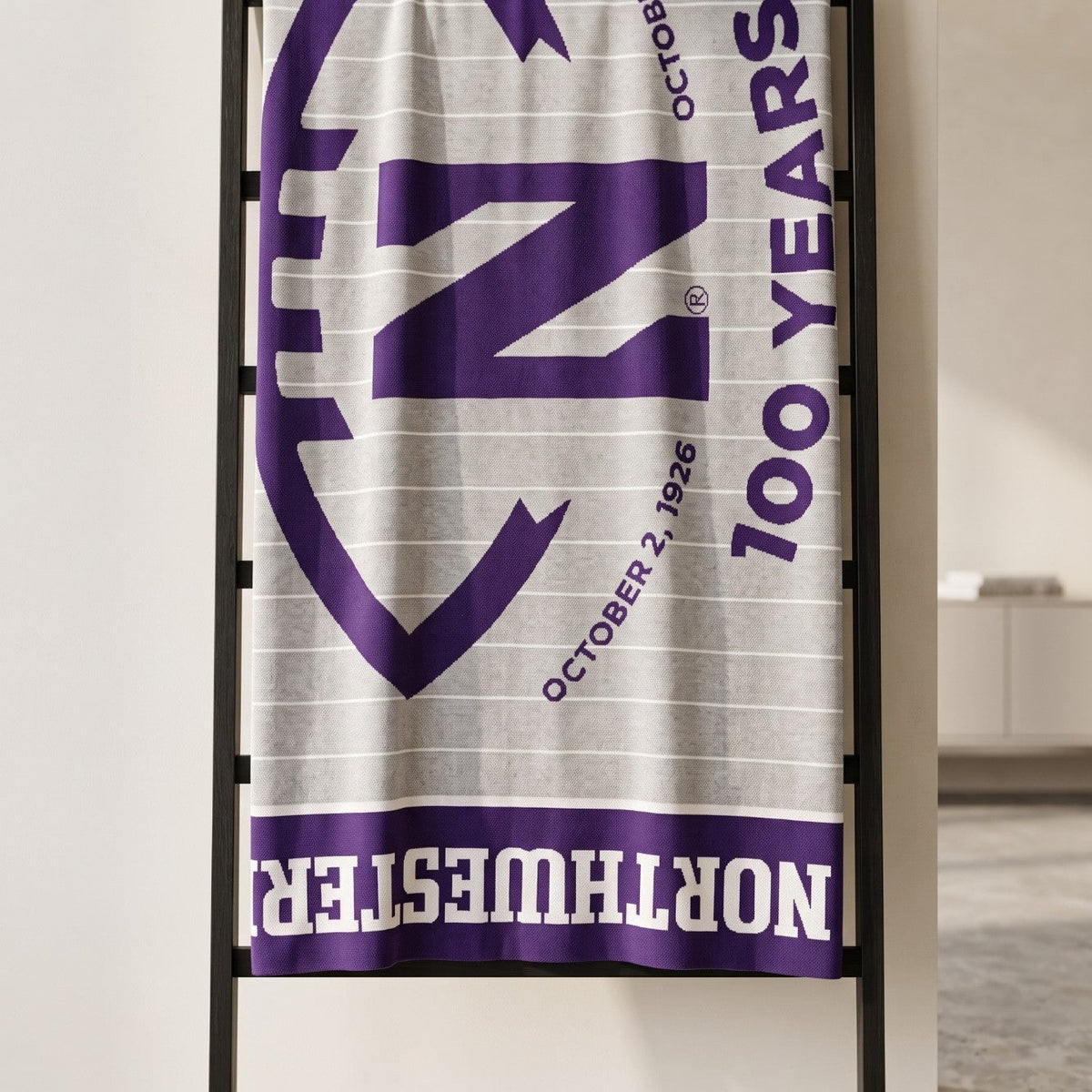
We love how the pattern can instantly evoke the ivy-covered walkways of an elite campus one moment, and seamlessly walk the everyday modern streets of a bustling metropolis the next. Our takes on argyle for Michigan State, DePaul University, and Loyola University Chicago reflect how a simple diamond pattern can take on a different look and approach by just changing color, orientation, or adding unique design elements tailored to school spirit.
Wear Your Crown
We may not all have the lineage of "royal blood"—be that the royalty of aristocracy, hip hop, Hollywood, or Wall Street—that automatically grants privilege and accommodations. But the enduring story of argyle teaches us a valuable lesson: style is accessible, and status can be self-made.
We can all elevate our accomplishments, our pride, and our personal narrative through our own "royal style." Argyle is more than just a pattern of interlocking diamonds; it’s a crown we can all choose to wear—a powerful symbol of heritage reclaimed and style democratized.
